
Last updated September 10, 2026
Full 25-point door and opener safety check with every visit - springs, cables, rollers, tracks, and your LiftMaster or Chamberlain opener included
You get a price before we start. It does not change when the truck arrives.
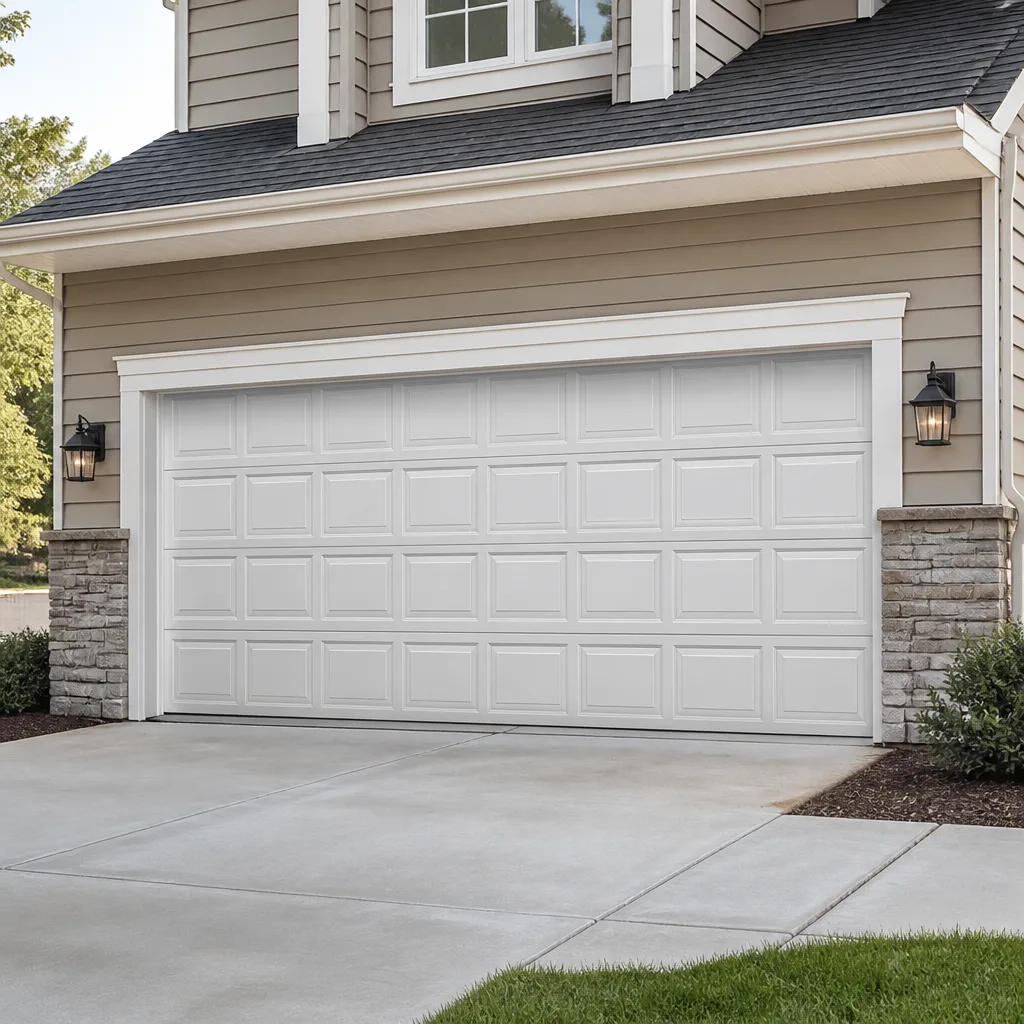
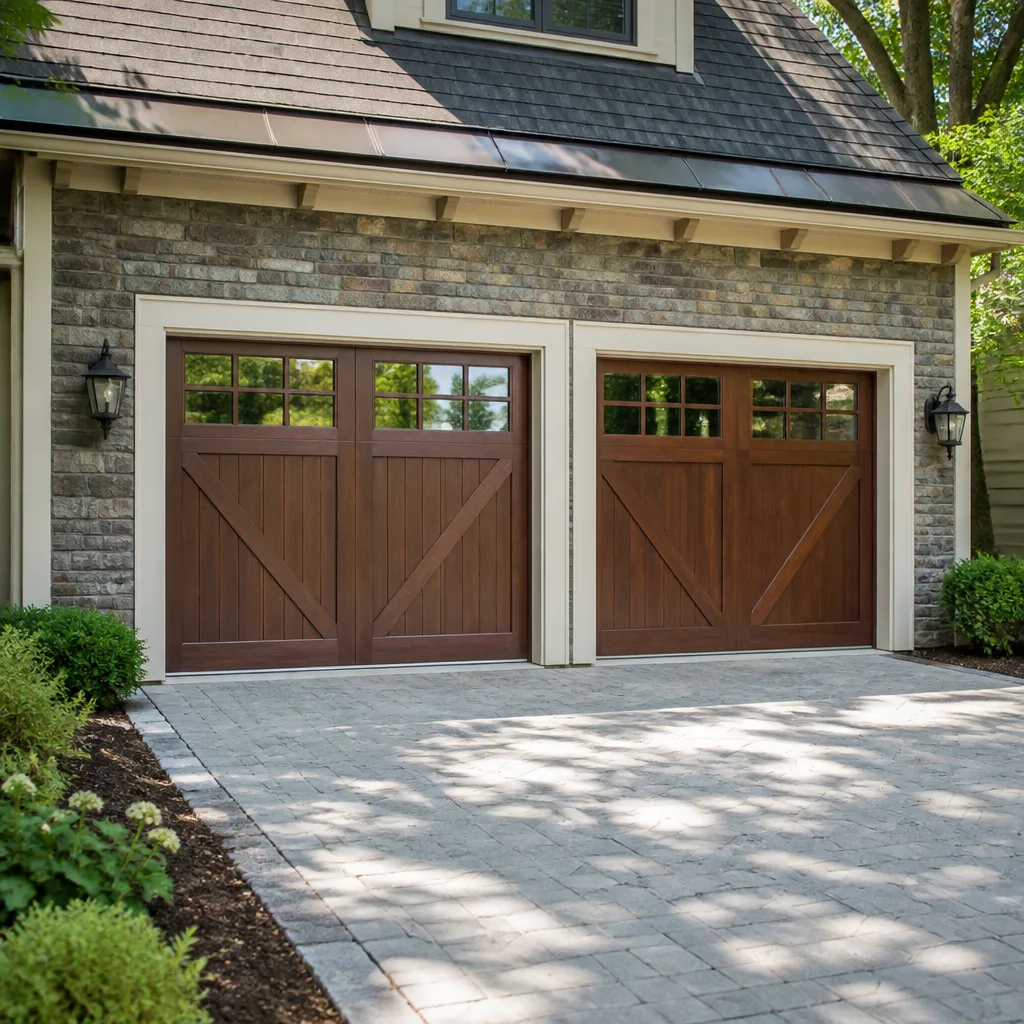
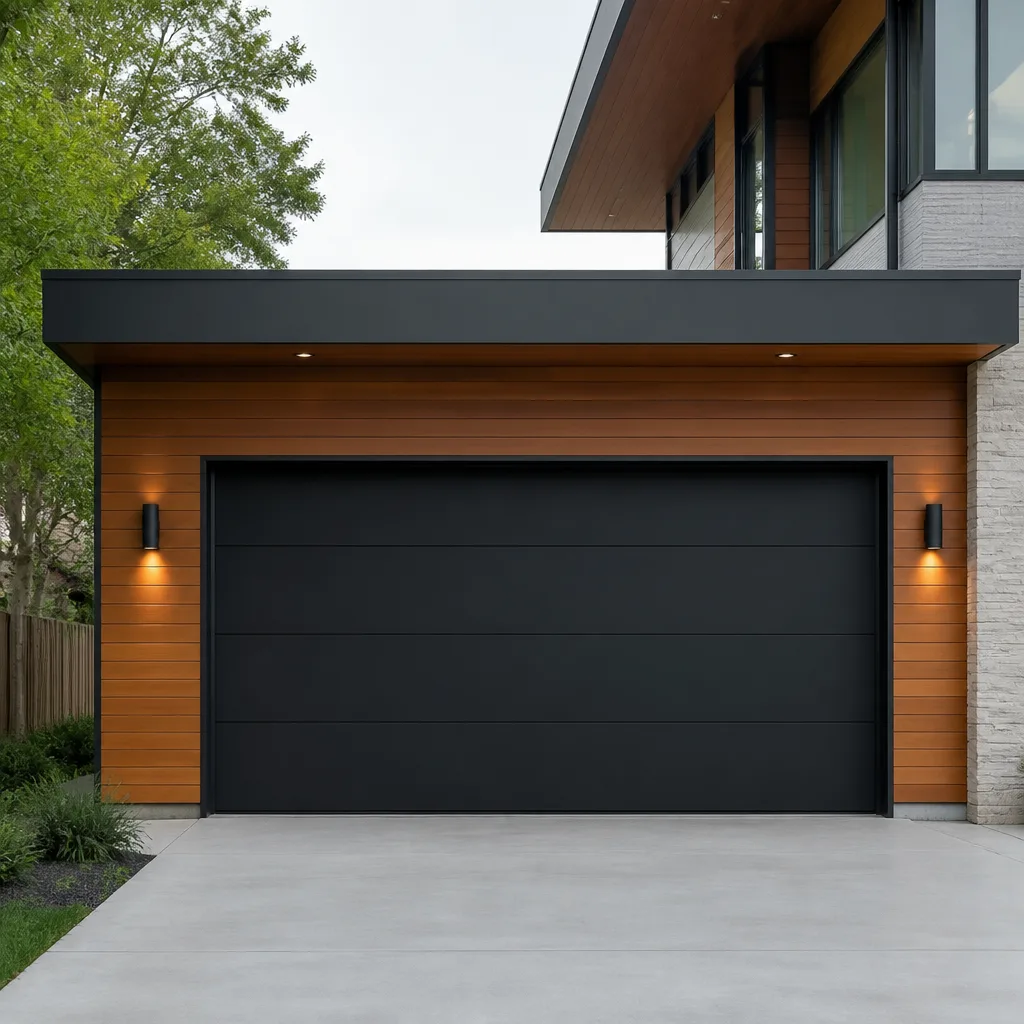
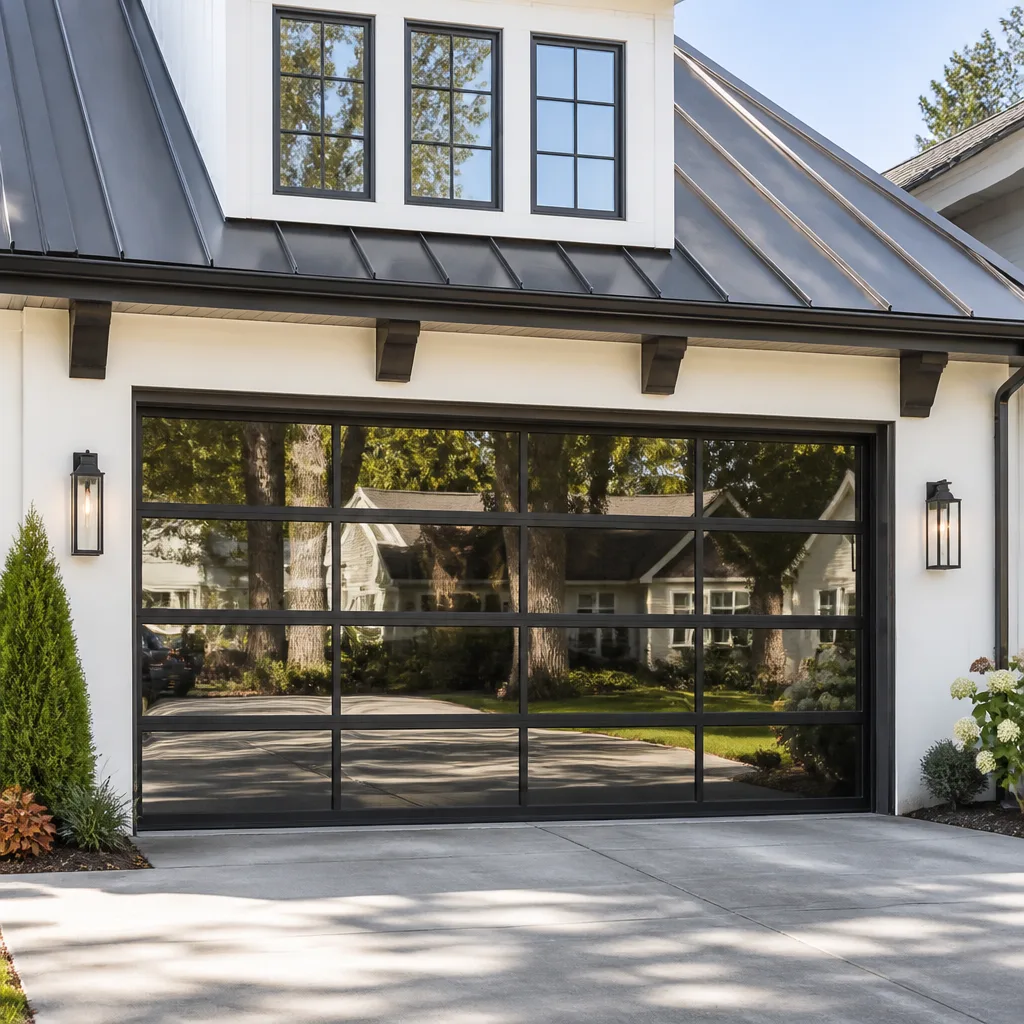
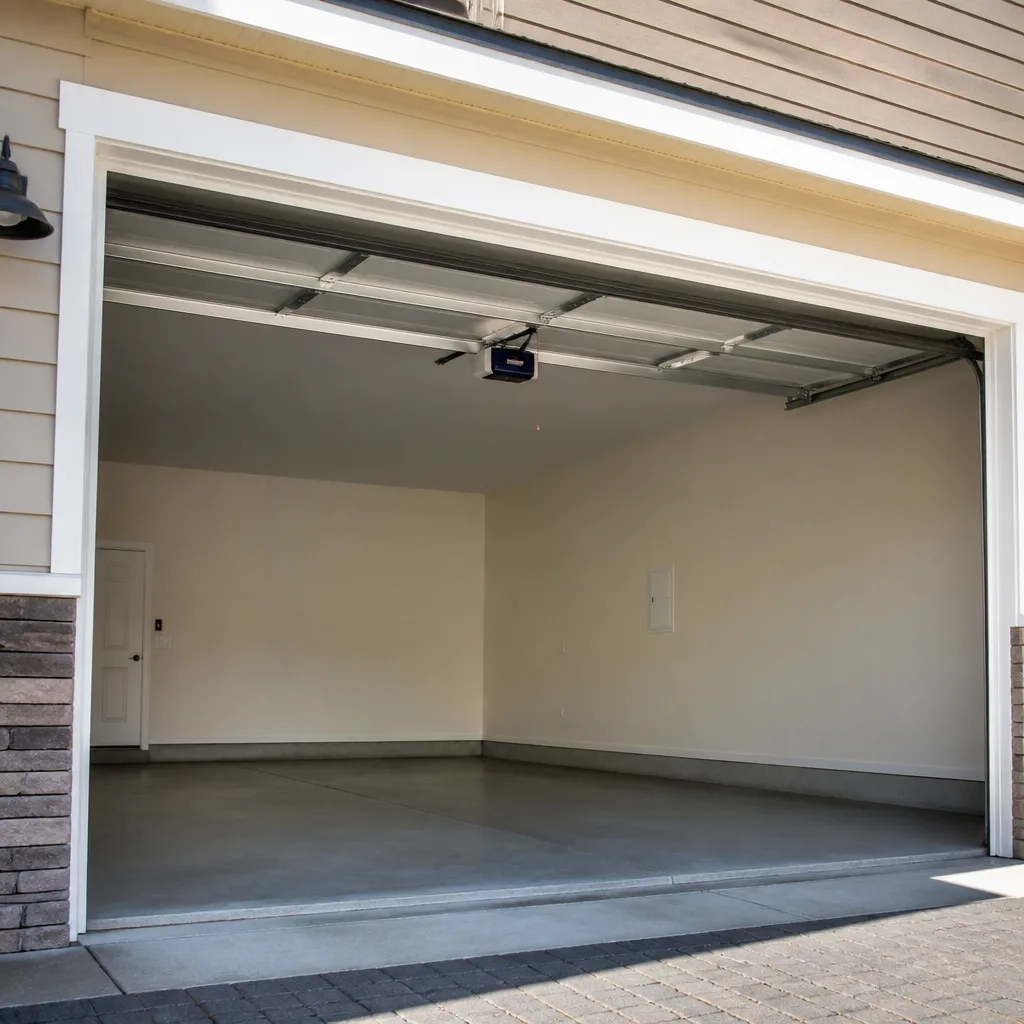
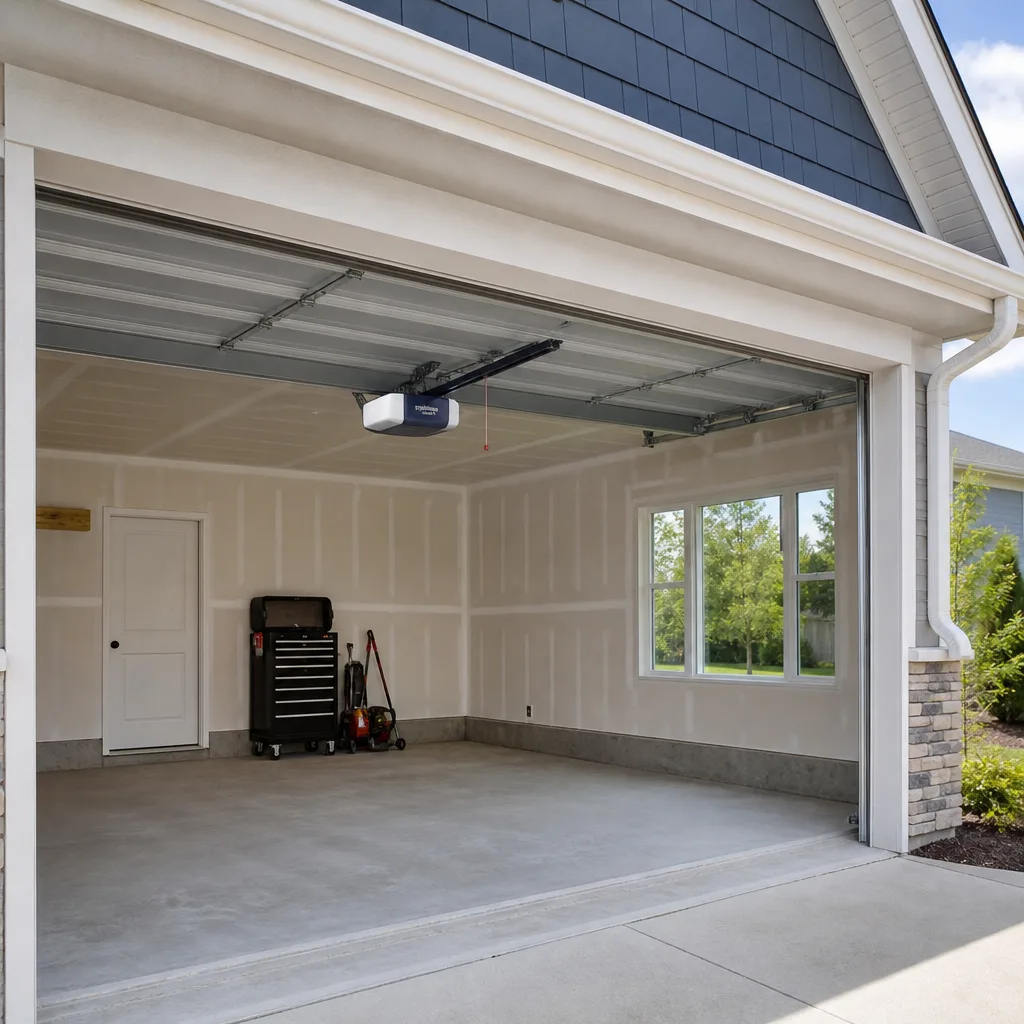
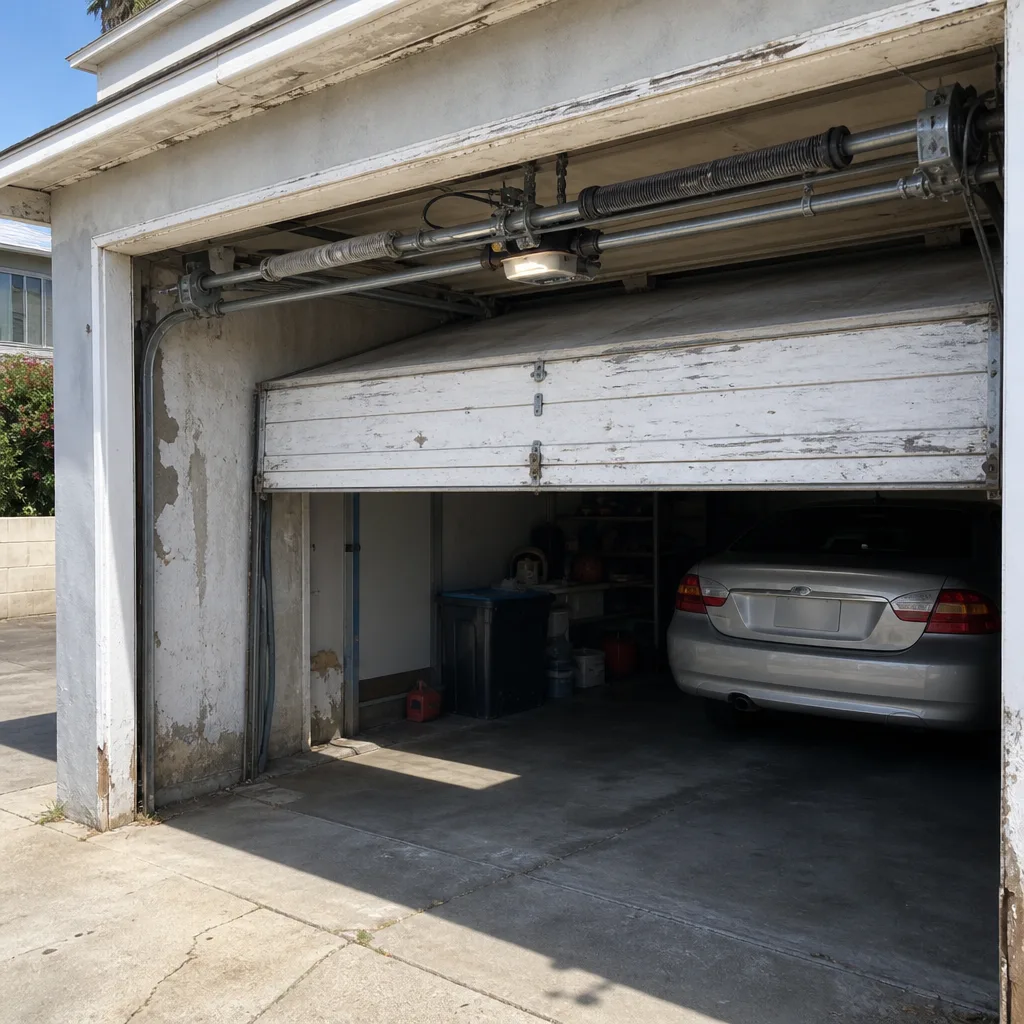 Before
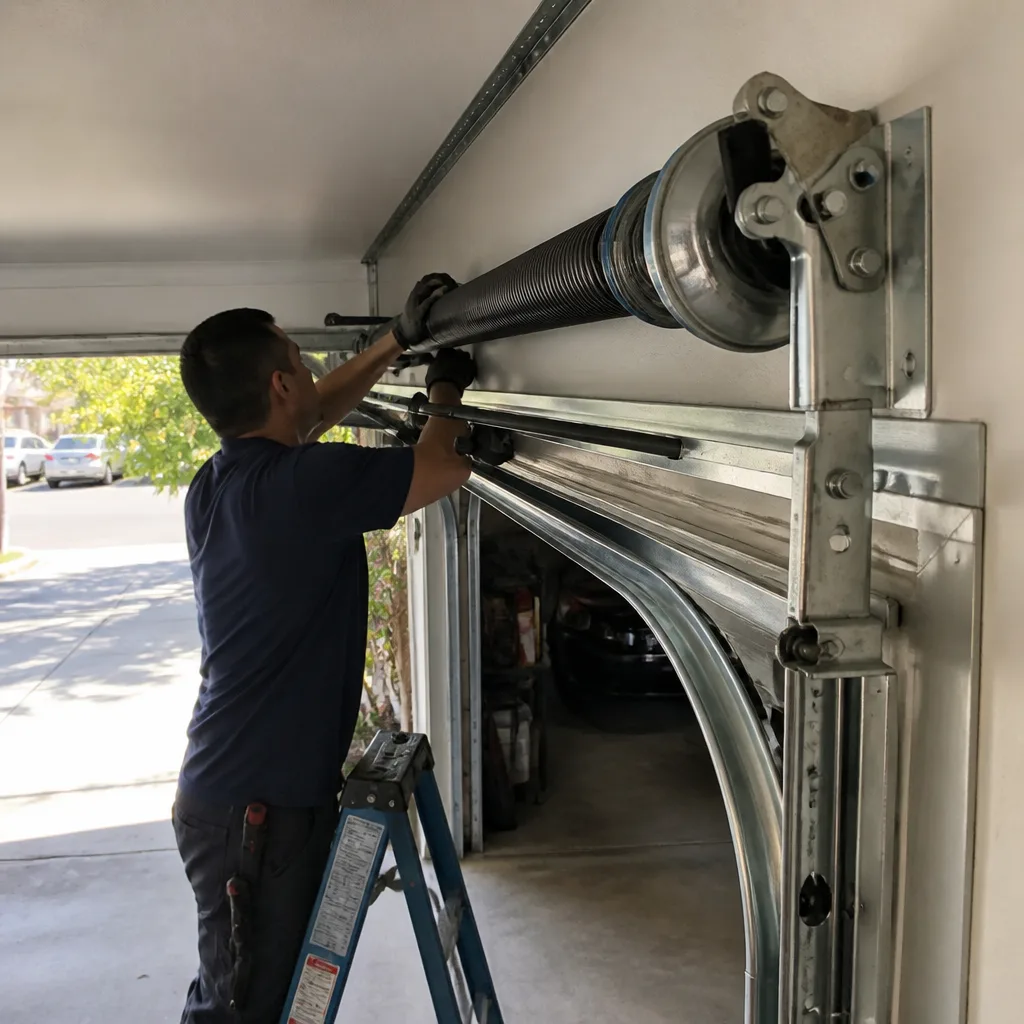 After
After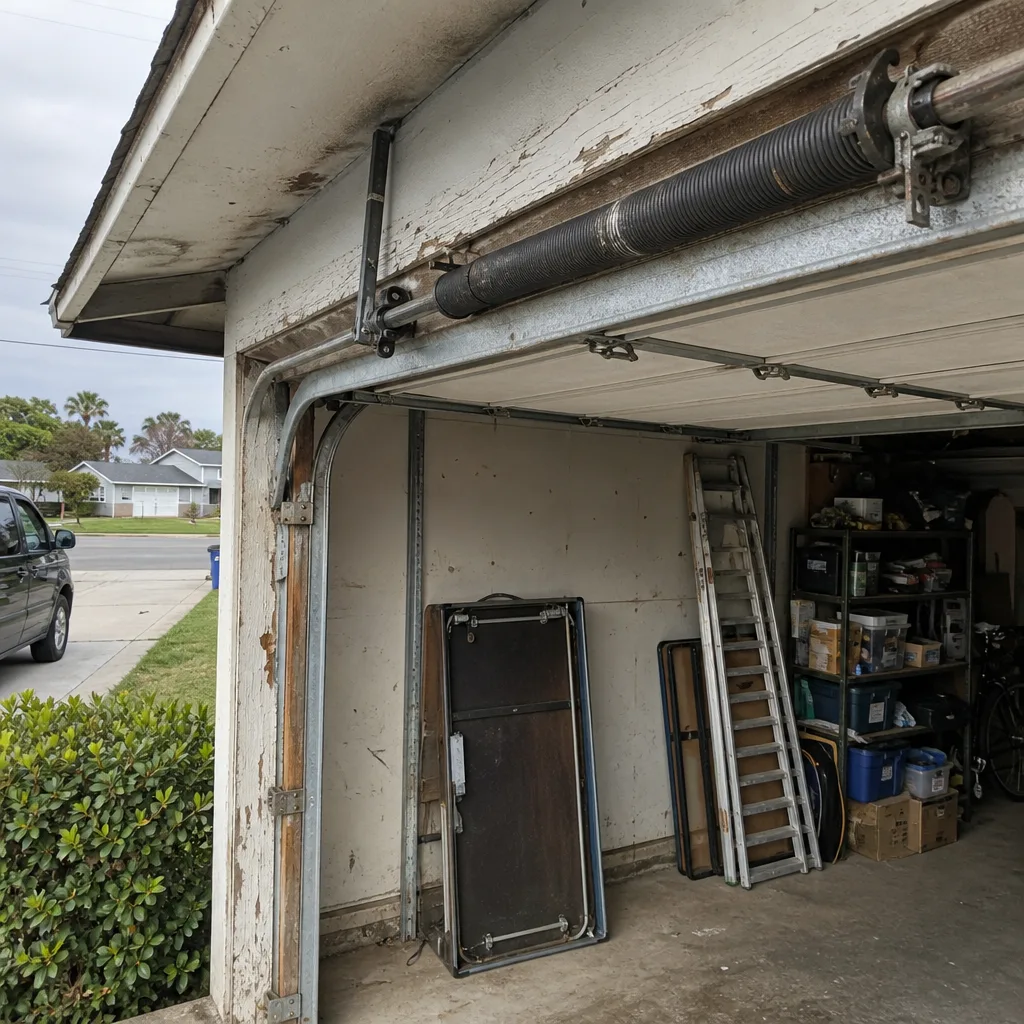 Before
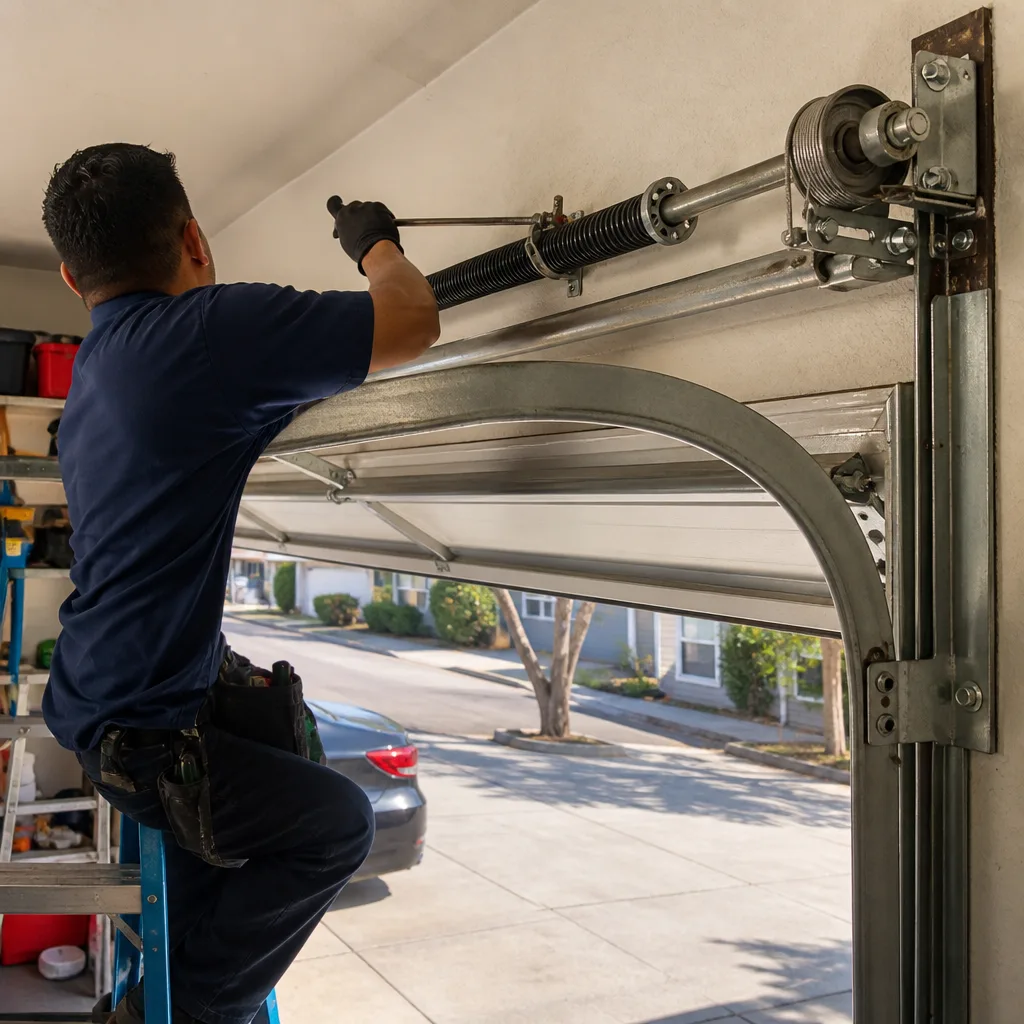 After
After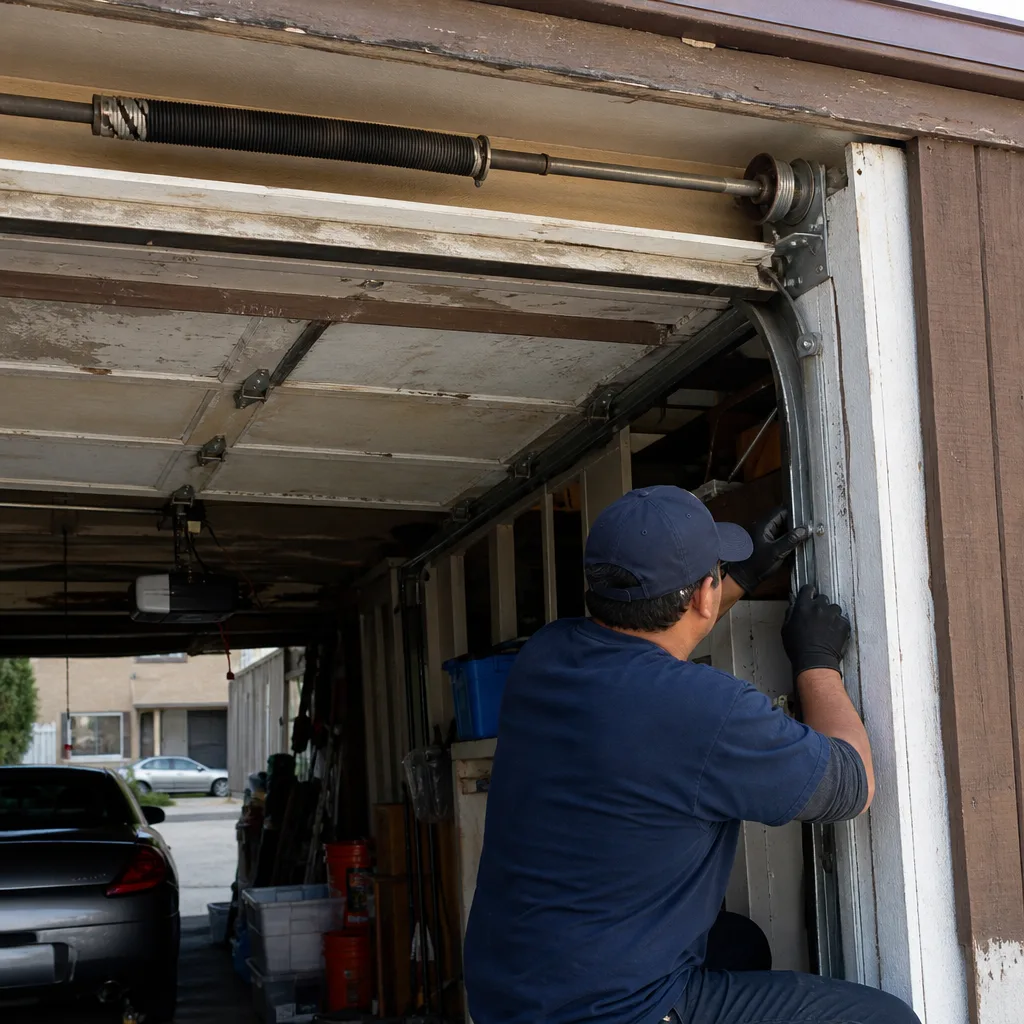 Before
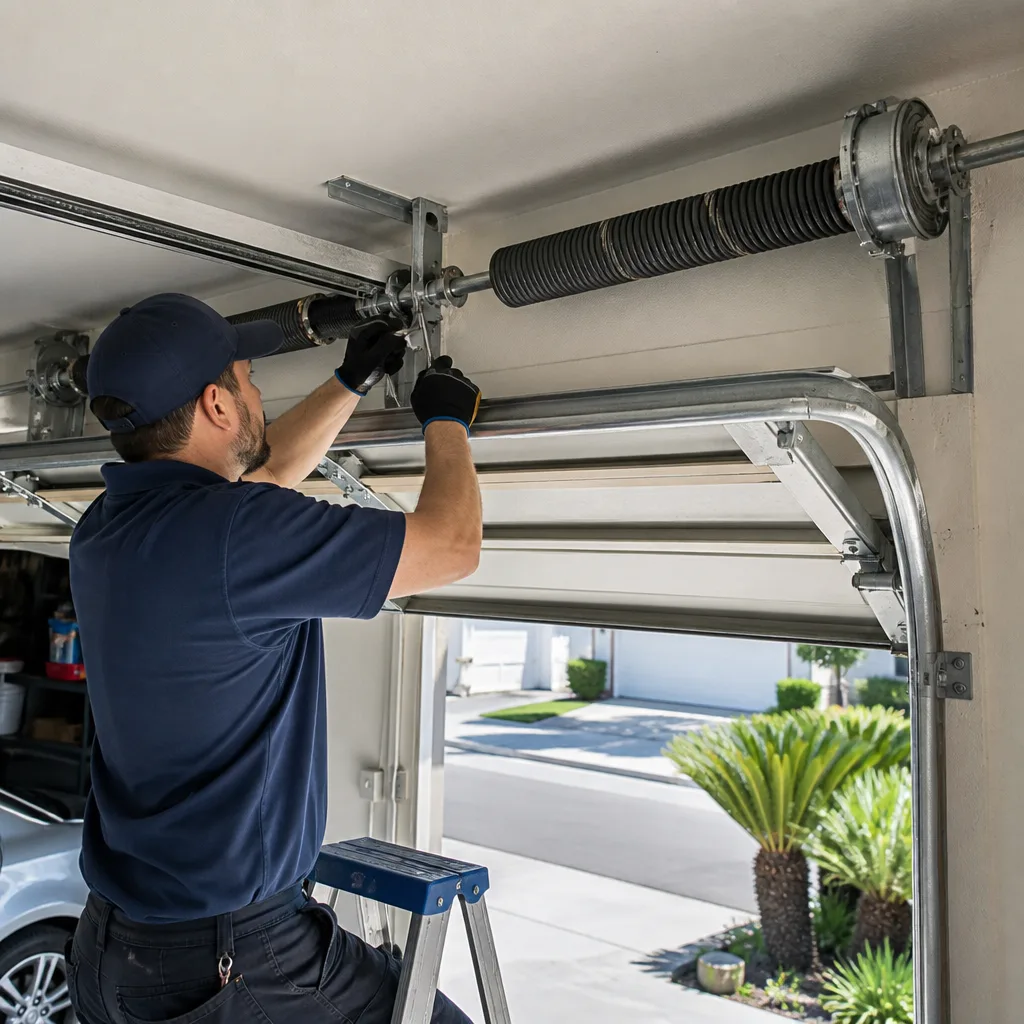 After
AfterThe Complete Guide to Garage Door in Long Beach
Most garage door guides are written for a climate that gets four seasons. Long Beach gets marine layer, salt corrosion, and one cold week in January - and that changes everything about which door materials last and which ones fail in five years. A steel door that survives two decades in Riverside will start showing rust blooms along its bottom rail in Belmont Shore inside of seven. We know because we’ve replaced those doors. This guide is built for Long Beach specifically - the ZIP codes, the construction styles, the ordinances, and the salt. By the time you finish reading, you’ll know which door materials actually survive here, what your home’s age says about the hardware you inherited, and how to avoid paying for work you don’t need. If you’re short on time, Garage Door Repair in Long Beach covers the same ground faster, but this is the full reference.
Quick Answer
A garage door in Long Beach has a realistic service life of 10 to 15 years for coastal-facing homes and 15 to 20 years for inland neighborhoods, assuming the springs are replaced every 7 to 10 years and the hardware gets an annual rinse. The biggest local failure drivers are not wear and tear - they are salt-driven corrosion on steel panels and hardware, misaligned tracks from slab movement in older neighborhoods, and opener strain caused by doors that were never rebalanced after a marine-layer humidity cycle. For most Long Beach homeowners, a properly matched door, corrosion-resistant hardware, and an opener sized to the actual door weight will eliminate about 80 percent of the repair calls we see.
Table of Contents
- Why Long Beach Kills Garage Doors Differently
- Coastal Salt Corrosion: What It Actually Does to Your Door
- Slab Foundations and Track Alignment in Older Long Beach Neighborhoods
- Long Beach Noise Ordinance Hours and What They Mean for Repair Calls
- Steel vs. Aluminum vs. Fiberglass: A Long Beach Material Comparison
- How Your Home’s Age Predicts the Hardware You’re Inheriting
- How Much Does Garage Door Work Cost in Long Beach?
- Common Mistakes to Avoid
- When to Call a Professional
- Frequently Asked Questions
- The Bottom Line
Why Long Beach Kills Garage Doors Differently
A garage door is not a sealed unit. It is a collection of metal parts - panels, hinges, rollers, brackets, springs - that move against each other hundreds of times a month in whatever air you happen to live in. In Long Beach, that air carries salt. Not the dramatic, crashing-wave salt of an oceanfront postcard, but a fine, invisible brine that rides the morning marine layer inland far further than most people assume. It settles on your door, mixes with condensation, and starts working on the galvanized coating, the powder coat, and the bare metal at every hinge point. The result is that a door in one Long Beach ZIP code can age twice as fast as the identical door ten miles north, simply because of where the marine layer pools and how often the fog lingers.
We’ve been doing Otto’s Garage Door home work in Long Beach since 2004, and I can tell you which streets get rust first. The coastal strip from the Peninsula through Belmont Shore and Naples sees the worst of it. Signal Hill, Bixby Knolls, and North Long Beach see less salt but more temperature swing, which strains springs differently. The point is not that one neighborhood is worse than another. The point is that you cannot use a national average lifespan chart for your door. You have to use the conditions outside your own garage.
Beyond salt, Long Beach has another factor that generic guides ignore: slab foundations. Much of the older housing stock here - especially in Wrigley, North Long Beach, and the working-class neighborhoods built between the 1940s and 1970s - sits directly on concrete slabs, not raised foundations. Slabs move. They crack, they settle, they flex with groundwater and drought cycles. When the slab under your garage moves even a quarter inch, the track bolted to the wall above it goes out of square relative to the door. That causes binding, jerky operation, premature roller wear, and opener strain. Homeowners replace openers thinking the motor is dying when the real problem is that the track drifted out of alignment because the earth under the corner of the garage shifted.
Coastal Salt Corrosion: What It Actually Does to Your Door
Salt corrosion is not a cosmetic problem. It is structural. The bottom panel of your garage door sits closest to the ground, which means it is the first panel to collect condensation, the first to trap salt residue from air that sweeps in under the door, and the first to rust through. We regularly see doors in the 90803 and 90814 ZIP codes - Belmont Shore, Naples, Alamitos Heights - with bottom rails that have rusted to the point where the panel edge has lost structural integrity. The door still opens, but the bottom corner is flaking away. That panel is what the lifting cables attach to. When the bottom bracket tears through rusted metal, the door can drop while opening. A door is 200 pounds riding on two springs. Respect it.
Salt also attacks hardware faster than panels. Hinges, roller stems, and especially the torsion spring assembly take the brunt because they sit in the gap above the door opening - a gap that never seals completely and admits outside air all year. A standard galvanized torsion spring that might last 12 years in an inland climate can collapse in 7 to 8 years in coastal Long Beach, not because the spring steel fatigued, but because surface pitting created a stress riser that snapped the coil early. If you live within two miles of the water, expect to replace springs on the shorter end of that range. If your door faces south or west, subtract another year. UV exposure breaks down the coating that was supposed to resist the salt.
What You Can Do About It
- Rinse the door quarterly. Plain water from a garden hose. No soap, no pressure washer. A pressure washer drives salt into the seams and voids the powder coating. You want to float the salt off the surface, not blast it deeper.
- Lubricate the moving parts twice a year. Use a silicone-based garage door lubricant on hinges, rollers, and springs. Do not use WD-40 - that is a cleaner, not a lubricant, and it washes the good grease out.
- Inspect the bottom edge monthly during marine-layer season. May through August is when the fog hangs low and the rust blooms appear. Run a finger along the underside of the bottom panel. If you feel roughness or see paint bubbling, call before the rust reaches the bracket bolts.
- Replace galvanized hardware with stainless at the first sign of rust. Stainless steel hinges and roller stems cost a few dollars more per piece and add years to the door. When we install doors in coastal Long Beach, we default to stainless hardware. It costs less than a return visit.
Slab Foundations and Track Alignment in Older Long Beach Neighborhoods
Homes built before 1980 in Long Beach were overwhelmingly slab-on-grade construction. That means the concrete floor of your garage is the same pour as the foundation under your house. It is not a separate structure. When that slab settles - and most have, over 50, 60, or 70 years - the movement is rarely even. One corner drops an eighth of an inch, another stays put. The garage door tracks, which are bolted to the wall framing and to the ceiling, stay in their original positions. The floor, meanwhile, has moved. The door now closes onto a floor surface that is no longer level, which means the door does not seat evenly against the weatherstrip. You get a gap in one corner. In the winter, that gap admits damp, salty air directly into the garage. In the summer, it admits the ants and spiders that every Long Beach homeowner knows all too well.
We see this constantly in Wrigley, in the polyglot blocks of North Long Beach east of the 710, and in the older pockets of Bixby Knolls. The homeowner assumes the door is warped or the weatherstrip is old. They replace the weatherstrip. It still does not seal. The real issue is that the track needs to be re-shimmed to match the settled floor. That is a repair job, not a replacement job - and the distinction matters. A crew that does not understand slab settlement will sell you a new door that still will not seal, because they never fixed the alignment underneath it.
If you want to check your own door, here is the simple test: close the door and run your hand along the inside bottom edge where the rubber meets the concrete. If the rubber is tight on one side and you can slip a finger under the other side, your floor has settled and the track is out of square. That is a service call, not a new door. In our experience, maybe a third of the “replacement” estimates we see from other companies in Long Beach are actually alignment jobs in disguise.
Long Beach Noise Ordinance Hours and What They Mean for Repair Calls
Long Beach has municipal noise regulations that restrict construction and power-tool use during certain nighttime hours. The specifics vary by zone and proximity to residential dwellings, but the practical effect is this: if your spring snaps at 2 a.m. and your car is trapped inside the garage, we can still come. Booking the call is legal. Showing up is legal. But running an impact wrench in a residential alley at 3 a.m. may not be, depending on your exact neighborhood and the noise level at your property line. What you should know is how a good repair shop handles this: for an emergency late-night call where work must be done quietly, hand tools can complete most spring replacements without violating the noise rules. It takes longer and takes patience, but a technician who knows the job can do it with wrenches and spring bars and never fire up a power tool. This is one of the reasons we tell Long Beach homeowners not to wait until a Saturday afternoon for a spring replacement - if it fails at an inconvenient hour, a competent shop will still find a way to get your car out, legally and quietly.
The broader point is that Long Beach is not an unincorporated county area. It has a municipal code, a building department, and specific permitting requirements for certain types of work. Replacing a garage door panel or a spring does not require a permit. Replacing the entire door with a different size or changing the rough opening may. Replacing an opener motor with a like-for-like unit is a straightforward swap. Adding a new opener where none existed may require an electrical permit. A local shop knows which side of each line your job falls on, because we work with the Long Beach building department’s requirements every week. A call center in another state does not.
Steel vs. Aluminum vs. Fiberglass: A Long Beach Material Comparison
National buying guides will tell you steel is the most durable material for a garage door. That is true in most of the country. In coastal Long Beach, the answer is more nuanced. The question is not only which material lasts; it is which material remains airtight and functional in your specific microclimate and which materials the marine layer eats from the inside out. Here is the comparison as we’ve observed it across hundreds of Long Beach installations since 2004.
- Steel is the default for a reason. It resists impact well, it holds paint beautifully, and modern manufacturing lets us get excellent insulation values without adding much weight. The catch in Long Beach is that steel is the most corrosion-sensitive of the three. A 24-gauge steel door with a standard polyester powder coat will rust along the bottom edge within a decade if the home is within salt fog distance of the ocean. The fix is not avoiding steel; the fix is demanding a marine-grade primer, a polyurethane topcoat instead of polyester, and stainless hardware. With those three upgrades, a steel door is still the best overall value for most Long Beach homes.
- Aluminum eliminates the rust problem almost entirely. Aluminum does not rust - it corrodes differently, as a white oxide film, and at a rate that is essentially negligible for a door panel. The tradeoff is strength and weight. Aluminum panels dent more easily than steel, and in a city with alley-loaded garages and tight parking, door impacts are a real factor. Aluminum is the best choice for a door that faces the ocean directly and lives with salt air every day. Brands like Clopay and Amarr both build aluminum doors with insulated cores that perform well in the coastal environment.
- Fiberglass is a niche material that occasionally shows up in Long Beach homes built during the 1970s and 1980s. Fiberglass resists salt and moisture effectively, but it is brittle, it fades under sustained UV exposure, and it transmits impact shock rather than absorbing it. Long Beach gets roughly 280 days of sun per year, and fiberglass does not age gracefully in that environment. We rarely recommend it as a replacement material unless the homeowner specifically wants a translucent door for a workshop or has a historic bungalow where the original fiberglass door is part of the character.
The honest summary is this: the best material for a Long Beach garage door is not the one with the highest national durability rating. It is the one matched to your distance from the ocean, the direction your door faces, and how often you are willing to rinse it. A well-maintained steel door with marine-grade coating beats a neglected aluminum door. The material is only half the decision. The other half is the commitment to maintenance, and in our experience, that is where most Long Beach homeowners fall behind.
How Your Home’s Age Predicts the Hardware You’re Inheriting
Long Beach housing stock spans more than a century, from Craftsman bungalows in Rose Park and Bluff Heights to mid-century ranch houses in Los Altos to 1980s and 1990s tract homes on the east side. Each era of construction tells you something about the garage door hardware you are likely to inherit when you buy. Knowing this before you close on a house can save you a surprise repair bill in your first year of ownership.
Pre-1950 Homes
If the home still has its original garage door - and in neighborhoods like Bluff Park and Belmont Heights, surprisingly many do - you are looking at a solid wood door, often paneled tongue-and-groove, swinging or slab-style. These doors weigh a ton, figuratively and literally. A solid redwood door can run 300 pounds or more. The springs, if they have been retrofitted for an opener, are often mismatched to the door weight, because a previous owner added an opener without upgrading the spring system. If you buy a pre-1950 Long Beach home, expect to either restore the door properly with matched springs and a heavy-duty opener, or accept that the door is decorative and use it manually. We love restoring these doors. It is the right thing to do for the house. But be realistic about what a 75-year-old wooden door costs to maintain.
1950-1980 Slab Construction
This is the sweet spot for slab settlement issues. The tract homes built across North Long Beach and Wrigley in the 1950s and 1960s used concrete slab foundations, and they have now had six or seven decades to move. The original garage doors from this era were often single-panel steel or wood composite, and many have been replaced once already. What you inherit is usually a second-generation steel door from the 1980s or 1990s, with original tracks and aging rollers. The door itself may be fine; the installation probably is not. Expect binding, grinding, and gaps at the slab. This is the most common repair profile we see in Long Beach.
1980s and Newer Construction
Homes built after 1980 generally have sectional steel doors that are better engineered and lighter. The track systems are cleaner, the openers are more modern, and the spring assemblies are easier to service. The local twist is still corrosion - a 1990s steel door in coastal Long Beach has now been in salt air for 30 years, and if the previous owner never rinsed it, the bottom panel is telling the story. But these homes are the most predictable to service. In many cases, the original opener is the weak link: a Chamberlain or Genie unit from the 1990s is approaching the end of its expected life, and the motor may be struggling against a door that has gained effective weight as rollers and hinges stiffened. Before we replace an opener, we always check the door balance first. If the opener is straining, the problem is almost never the opener. The door is the load, and a smooth, balanced door lets even an average opener run easily for years.
How Much Does Garage Door Work Cost in Long Beach?
Garage door service pricing in Long Beach varies by job type, material, and location relative to the coast, but the ranges below reflect what we quote and honor across the city. Every number on our side of the call is quoted before the visit and written down before any work starts. If the price changes between the phone and the driveway, that is a different company. We do not do that.
- Spring replacement (torsion, single spring): $180 to $320, including the spring, labor, and a safety inspection of the full door.
- Spring replacement (torsion, both springs): $280 to $480. Springs are replaced in pairs on doors that use two, even if only one snapped. The other spring has the same cycle count and is about to fail.
- Track realignment or re-shimming: $90 to $180, depending on how far the slab has moved and whether new brackets are needed.
- Opener replacement (motor only, using existing rail and wiring): $350 to $550. Full opener system replacement, including rail and sensors, runs $500 to $800.
- New door (standard 16×7, single-car, steel with basic insulation, installed): $1,200 to $2,500. Carriage-house style, full-window doors, or premium insulation push that into the $3,000 to $5,000 range.
- Emergency nighttime call (spring failure, car trapped): $250 to $450 total, depending on the spring type and the hour. The emergency rates apply because the job is happening at 2 a.m. with hand tools, but the quote is still given on the phone before we head out.
These are real numbers for Long Beach, not national averages pulled from a search engine. Prices have risen slightly in the last two years due to steel and spring wire costs, and coastal installations carry a small premium because we use marine-grade coatings and stainless hardware as standard. For an exact quote on your job, call (562) 373-6685. Estimates are free. And we will hold the number we quote on the phone - you will see that same figure on the written invoice before any work begins.
Common Mistakes to Avoid
- Replacing the opener instead of fixing the door. A struggling opener is usually a symptom. We see Long Beach homeowners spend $500 on a new motor when the real problem is rusted hinges and rollers making the door harder to move. Fix the door first, then decide if the opener still needs attention.
- Using generic hardware on a coastal door. Standard galvanized hinges and non-stainless roller stems will rust out within a few years in salt-adjacent ZIP codes. Spend the small premium for stainless or marine-coated hardware and avoid the second repair visit.
- Ignoring the floor gap in an older slab home. That gap at the bottom corner of the door is not just drafts and bugs. It is the track alignment warning you. The longer it goes unaddressed, the more the door flexes on every cycle, and the faster the rollers and hinges wear.
- Spring-patching a rusted panel. When the bottom panel bracket tears through rusted steel, patching the metal is a temporary fix. The panel needs replacement. Long Beach coastal doors rust from the inside, so by the time you see the rust, the panel structure has already been compromised.
- Choosing a door by national durability rating. That rating was not calculated for Long Beach humidity and salt exposure. A door rated “20-year life” nationally may give you 12 years in Naples and 18 in Bixby Knolls. Match the material to your ZIP code, not to a chart.
- Waiting until the spring snaps. Torsion springs have a known cycle count. I count spring cycles the way you count tire miles - I will tell you what’s left on yours. If your door is 10 years old and the springs have never been replaced, replace them before they fail at the worst possible moment, which in Long Beach is usually a foggy Tuesday morning when you have an early flight.
- Drilling or modifying a tension-loaded door. The torsion spring above your door is under enormous tension. We tell every Long Beach homeowner the same thing: do not touch that spring. Do not oil it with the wrong product, do not attempt adjustment, and do not watch a video and think it applies to your specific setup. This is the one garage door task where the risk of serious injury is real and immediate, and the money saved is never worth the risk. Call a professional.
When to Call a Professional
There are garage door tasks a Long Beach homeowner can handle - rinsing the door, lubricating hinges, tightening a loose bolt, testing the auto-reverse sensor. Then there are the tasks that require a trained person with the right tools and the right respect for the equipment. For help deciding which is which, see our DIY vs Professional Garage Door: The Long Beach Homeowner’s Decision Guide. Any work on torsion springs should always be handled by a professional. Same for cable replacement, track realignment, and panel replacement on a door that is under tension. If your door makes a metallic pop, if it hangs at an angle when opening, if the opener runs but the door does not move, stop using the door and call someone who does this for a living. Otto’s Garage Door offers free estimates in Long Beach - call (562) 373-6685 and Otto or one of his crew will give you a straight answer before any work is scheduled.
Frequently Asked Questions
Most Long Beach garage door repairs run between $90 and $480, depending on the job. A track realignment is on the low end at $90 to $180. Spring replacement falls between $180 and $480. Opener motor replacement typically runs $350 to $550. Any reputable Long Beach shop will quote the exact number on the phone and honor it at the door. Call (562) 373-6685 for a free estimate on your specific repair.
A torsion spring in Long Beach lasts 7 to 10 years on average, with homes within two miles of the ocean trending toward the shorter end of that range. Salt air pits the spring surface, and pitting shortens the cycle life. Most springs are rated for around 10,000 cycles, which is roughly 7 to 10 years of normal use. If your springs are approaching that age, a scheduled replacement is safer and cheaper than waiting for the snap.
Yes. Most spring, cable, and track repairs are completed the same day we take the call. Otto answers the phone around the clock, quotes the job on the spot, and schedules the visit for as soon as you are available. For true emergencies - your car trapped inside and a work shift starting in an hour - we treat it as what it is: an emergency. Call (562) 373-6685.
No. The number quoted on the phone is the number on the invoice, assuming your description of the job matches what we find. If there is additional work needed, we discuss it with you before any of it starts and get your approval in writing. What you will not get is a higher bill handed to you after the job with no explanation. That practice is exactly why many Long Beach homeowners tell us they switched from national chains to a local shop.
For steel doors in salt-adjacent ZIP codes, Clopay and Amarr both offer marine-grade coating options that outperform standard powder coats in Long Beach conditions. For openers, Chamberlain and Genie make reliable units that handle the humidity well when matched to a properly balanced door. The brand matters less than the installation. A mid-grade door installed with stainless hardware and proper track alignment will outlast a premium door installed carelessly.
Routine repairs and like-for-like replacements do not require a permit. If you are changing the size of the opening, adding a door where there was not one, or running new electrical for an opener, the Long Beach building department may require a permit. A local shop knows which jobs need what paperwork. A national call center usually does not. When in doubt, ask the company to confirm before work starts.
The Bottom Line
Your garage door is the largest moving part in your Long Beach home, and it lives outside, in salt air, on a shifting slab, under 280 days of sun a year. It works harder than any other component of the house and gets less attention than almost all of them. The practical takeaways are simple: match your door material to your ZIP code, rinse the salt off quarterly, replace springs on a schedule instead of waiting for the snap, and never let an opener strain against a door that is out of balance. Buy the right hardware once, maintain it like it matters, and a Long Beach garage door will serve you for fifteen years or more. If something does go wrong, you want a name you can verify and a face you’ll see again. Garage Door Installation in Long Beach and Garage Door Opener in Long Beach are our deeper dives on those specific topics. For everything else, call (562) 373-6685 and ask for Otto. The name on the van is the name on the invoice and the name on the license.
Written by Otto Reinhardt, Owner at Otto’s Garage Door, serving Long Beach since 2004. Browse our more guides & resources.